
Dr. Ceren Yıldırım, DVM
Clinical Lead, PodVet Partner Clinics · Sep 8, 2026
Bad breath is not a quirky part of pet ownership — in most cases it's the smell of bacteria. Dental disease is the most common condition vets see in dogs and cats, and it affects far more than the mouth.
What's actually going on
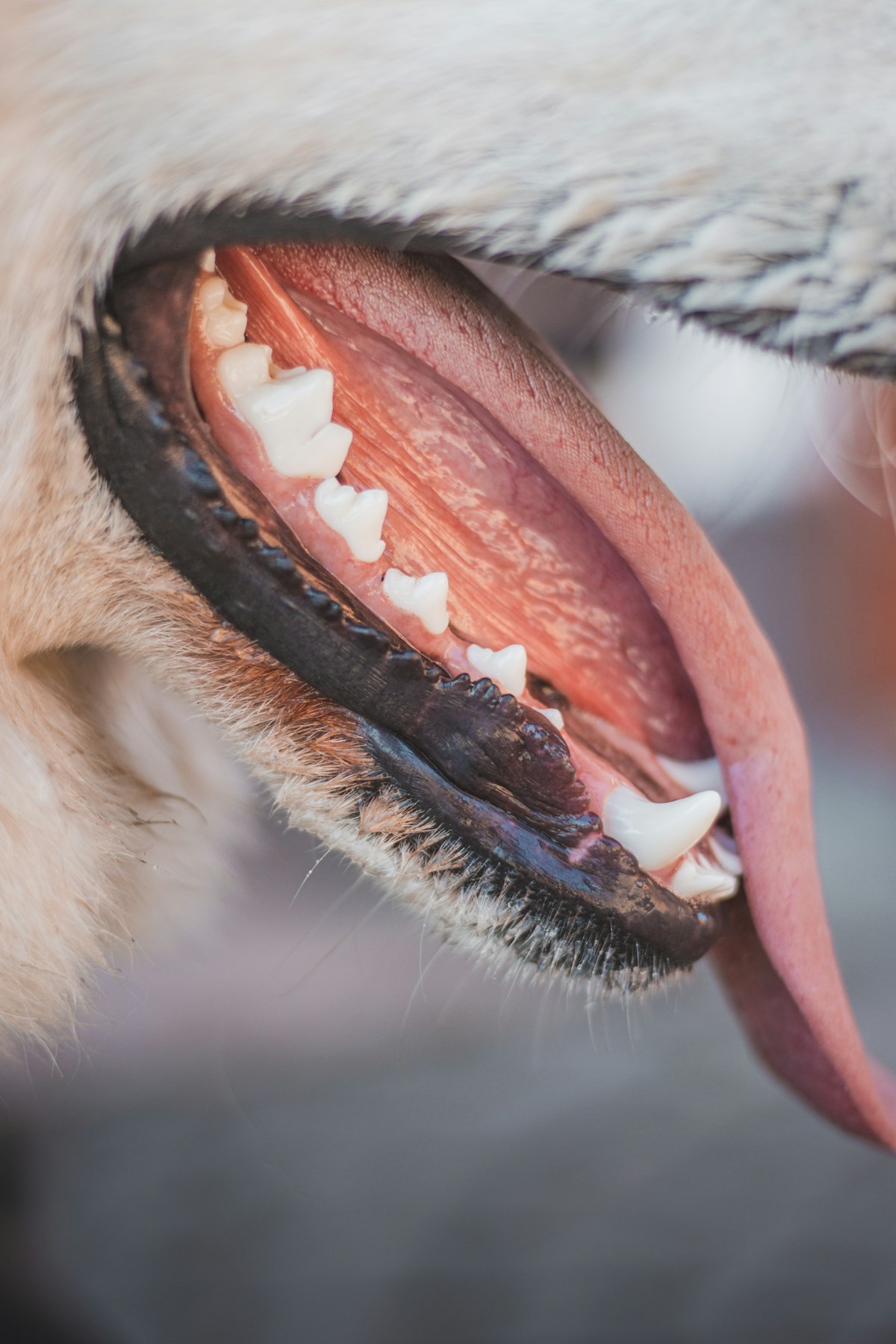
Food and saliva build a sticky film on teeth. Within days it hardens into tartar, and the gums around it become inflamed — gingivitis. Left alone, infection creeps under the gum line and can destroy the tissue holding teeth in place. By middle age, most pets have some stage of dental disease.
Why it's not just "teeth"
Inflamed gums act like an open door. Bacteria enter the bloodstream and can seed the heart valves and other organs. Chronic dental disease is also a source of low-grade pain: pets adapt and hide it, but they eat more slowly and feel sharply worse after treatment. Good dental care is genuinely life-span care.
Prevention at home
- Brush — a toothbrush and pet-safe toothpaste, done gently and gradually, is the gold standard.
- Dental diets and chews — look for products with the veterinary seal of approval; texture matters.
- Regular checks — lift the lip monthly; red, swollen or bleeding gums need a vet visit.
Clinic tip
Note the dental stage during every examination in PodVet. Over time you'll see the trend — and the reminder list lets you follow up with pro-dental cleanings and rechecks before small problems become extractions.
The takeaway
Fresh breath is a side effect. The real goal is healthy gums, pain-free eating and fewer surprises at the surgery table. A few minutes of brushing a week can save a pet years of hidden discomfort.